EVA Foam Colors and Patterns for Boat Decking
EVA foam colors and patterns give boat owners a straightforward way to personalize their deck while keeping the practical benefits of a non-slip, cushioned surface. The range available today goes well beyond basic gray or black, covering dozens of solid colors, two-tone combinations, and embossed textures that mimic teak, carbon fiber, or diamond plate. Choosing the right combination early saves you from costly replacements and ties the whole look of the boat together. Learn more about Eva Foam Boat Decking.
How Wide Is the Color Selection for EVA Foam Decking?
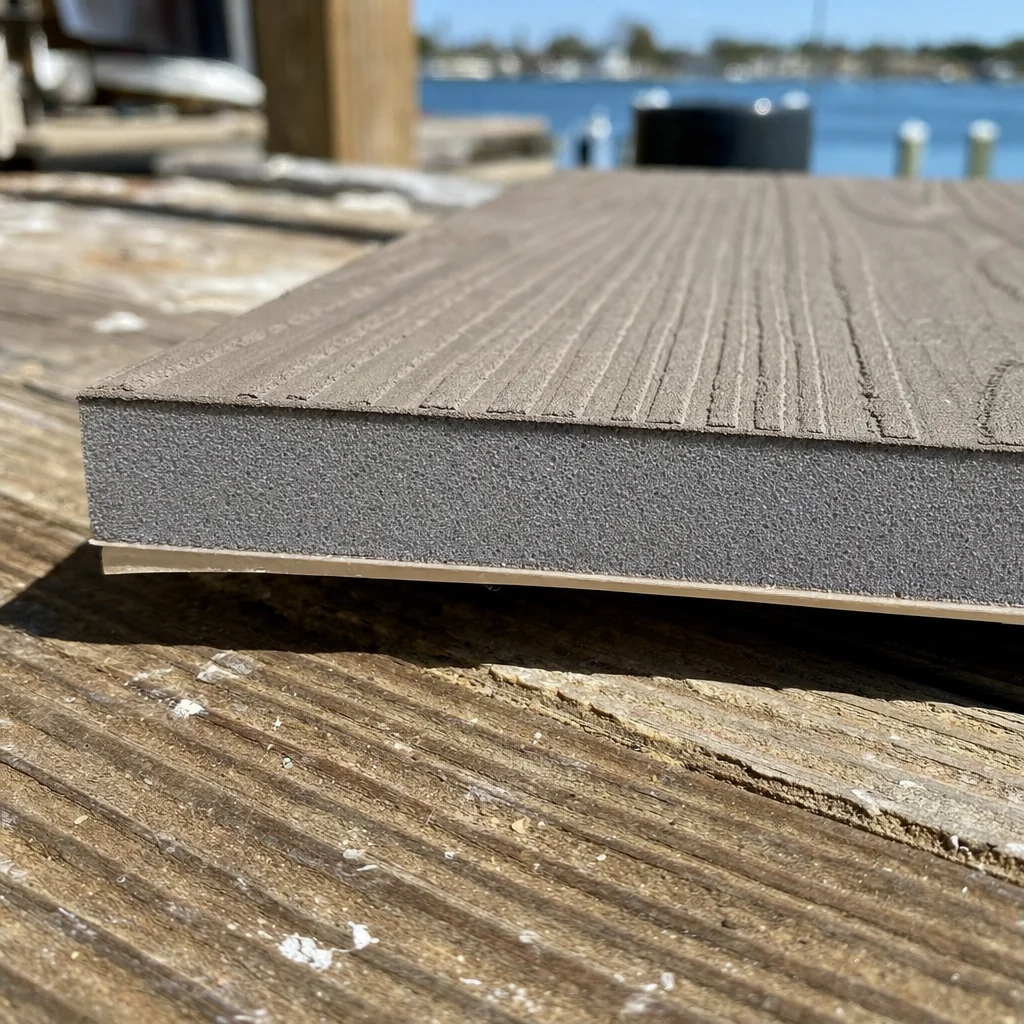
Most quality suppliers stock EVA foam boat decking in 20 or more standard colors, ranging from neutral whites, grays, and tans to bold navy, red, and forest green options. Lighter colors reflect heat and keep the deck cooler underfoot on sunny days, while darker shades hide scuffs and dirt more effectively between cleanings. Many manufacturers also offer custom color matching if you want the deck to align precisely with your hull paint or upholstery. Starting with a sample set before committing to a full kit is the most reliable way to see how a color reads in natural light on the water.
Solid Colors Versus Two-Tone and Multi-Color Layouts
A single solid color is the simplest choice and works well on smaller boats where a clean, uncluttered look is the goal. With no seams between contrasting colors that need to line up precisely, the layout is straightforward to cut and fit during professional installation. The trade-off is that a solid deck can look flat on larger surfaces, and any uneven cuts become more visible without a contrasting border to draw the eye.
Two-tone and multi-color layouts add visual depth and let you define different zones on the deck, such as a darker non-skid field with a lighter border or accent strip. This approach is popular on center consoles and pontoons where the deck is large enough to benefit from the visual break. The key is keeping the color count to two or three at most so the result looks intentional rather than busy.
- Single solid color: straightforward layout, cleanest look on small boats
- Two-tone field and border: defines zones, hides seam lines, suits mid-size boats
- Accent inlays or logos: cut from a contrasting sheet and pressed into a routed recess
- Gradient or ombre effects: achieved by blending adjacent panels, less common but striking
Common EVA Foam Patterns and What They Offer
Beyond color, the surface pattern affects grip, appearance, and how the deck wears over time.
Teak Grain:
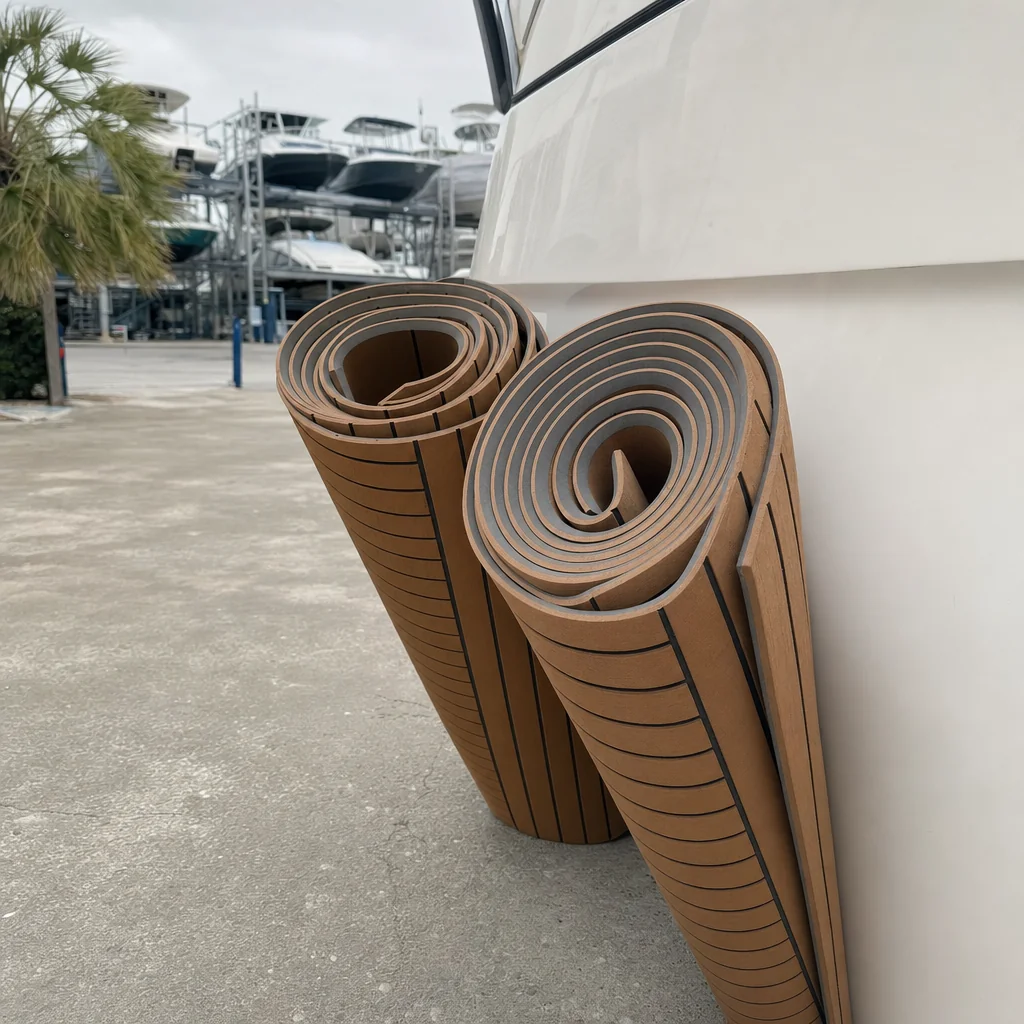
The most popular embossed pattern, it replicates the look of traditional teak planking without the weight, maintenance, or cost. Works on nearly every boat style from classic runabouts to modern sportfishers.
Diamond Plate:
A raised diamond grid that provides aggressive traction and a rugged, industrial appearance. Common on work boats, jon boats, and utility areas of larger vessels.
Carbon Fiber Weave:
A tight crosshatch texture that suits performance boats and center consoles with a modern aesthetic. Pairs well with dark colors like charcoal or matte black.
Brushed or Smooth:
A lightly textured or nearly flat surface that gives a clean, contemporary look. Best used in lower-traffic areas or combined with a grippier pattern in high-traffic zones.
Camo Print:
Printed or molded camouflage patterns designed for duck boats and fishing vessels where blending into the environment matters as much as the surface feel.
Custom Logo Cutouts:
Not a texture but a design technique where a logo or graphic is cut from a contrasting color sheet and inlaid flush into the main panel for a professional, branded finish.
Matching Colors and Patterns to Your Boat's Existing Style
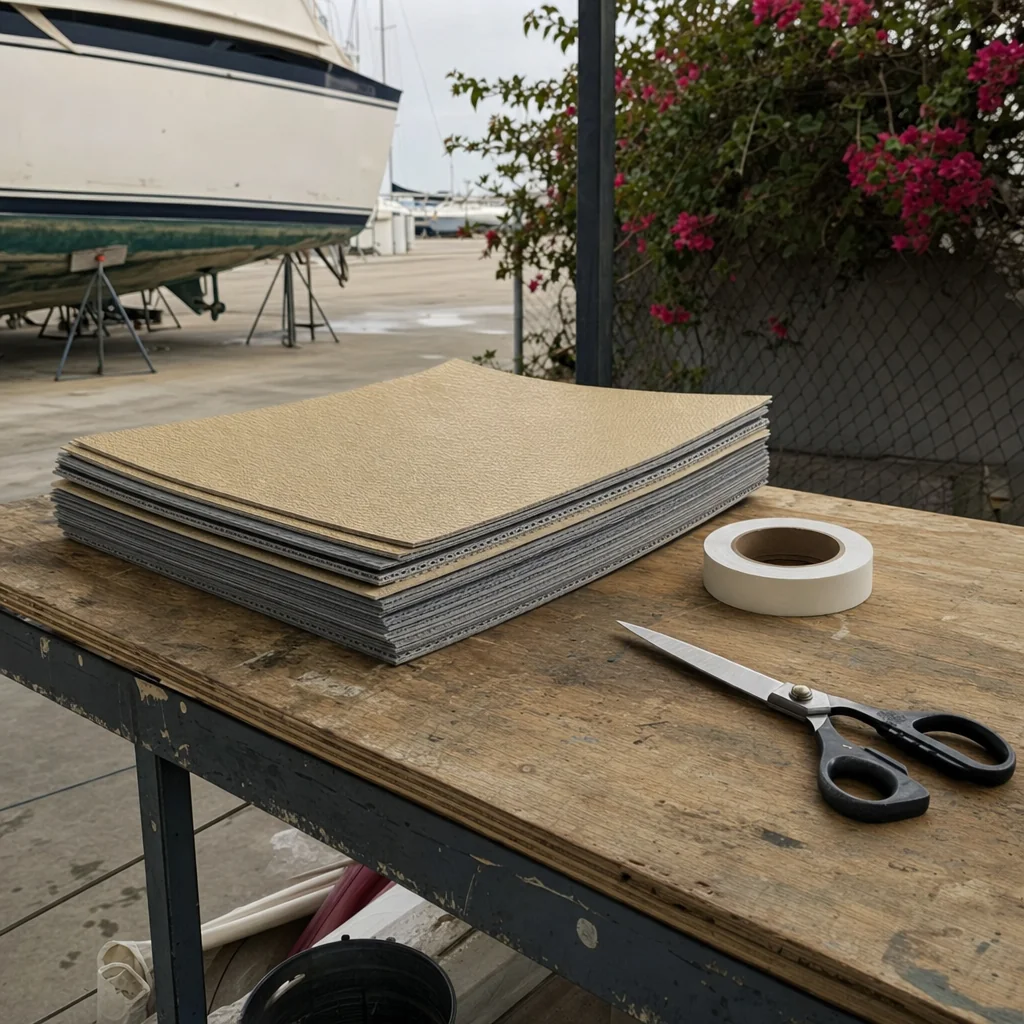
The most effective approach is to pull one or two colors directly from elements already on the boat, such as the hull stripe, upholstery piping, or console trim, and use those as your anchor colors for the deck. Neutral field colors like light gray, sand, or off-white pair with almost any accent and age gracefully as the boat's other finishes change over time. If your boat has a traditional profile, a teak-grain pattern in a warm tan or honey tone reinforces that classic look without the upkeep of real wood. For a modern performance boat, a carbon-fiber or brushed pattern in charcoal or black with a contrasting white border tends to photograph well and holds its appearance through heavy use. You can find the full range of material options and thickness choices on our eva foam boat decking page.
Related Guides
Previous: Jet Ski Decking
Frequently Asked Questions
Will the color fade after a season or two in the sun?
High-quality EVA foam formulated for marine use includes UV stabilizers that significantly slow color fading. Lighter colors tend to show fading less noticeably than saturated dark colors, though both will last several seasons with normal use. Rinsing the deck after saltwater exposure and storing the boat covered when not in use extends the color life considerably.
Can I mix different patterns on the same deck?
Yes, mixing patterns is common and can look intentional when done with restraint. A typical approach is to use a teak-grain pattern for the main field and a diamond-plate strip along the gunwale or casting platform where extra grip is needed. Keeping the color consistent across both patterns ties the look together even when the textures differ.
How do I choose between a light and a dark color for the deck?
Light colors reflect more solar heat, which keeps the surface cooler underfoot on hot days and is a real comfort advantage on boats used in warm climates. Dark colors absorb heat but hide dirt, scuffs, and fish blood more effectively between washes. Many owners split the difference with a medium gray or tan that balances both concerns.
Are custom colors or patterns significantly more expensive?
Custom color matching typically adds cost because it requires a separate production run rather than pulling from standard stock. Custom patterns or logo inlays add labor time for precise cutting and fitting. For most recreational boats, choosing from the standard color and pattern library keeps the project budget-friendly without sacrificing the personalized look.
Does the pattern affect how slippery the deck is when wet?
Yes, the surface texture has a direct impact on traction. Deeper embossed patterns like diamond plate and teak grain channel water away from the contact surface and provide more grip than smooth or lightly brushed finishes. If safety in wet conditions is the priority, choosing a deeper texture in high-traffic areas is more effective than relying on color alone.
Can I request specific colors or patterns before the installation?
San Diego Boat Flooring can show you color and pattern options before your deck is cut and installed. Reviewing swatches in person is strongly recommended because colors can look different on a screen than they do in direct sunlight on the water. Comparing options against your existing hull and upholstery in natural light takes the guesswork out of the final decision.