
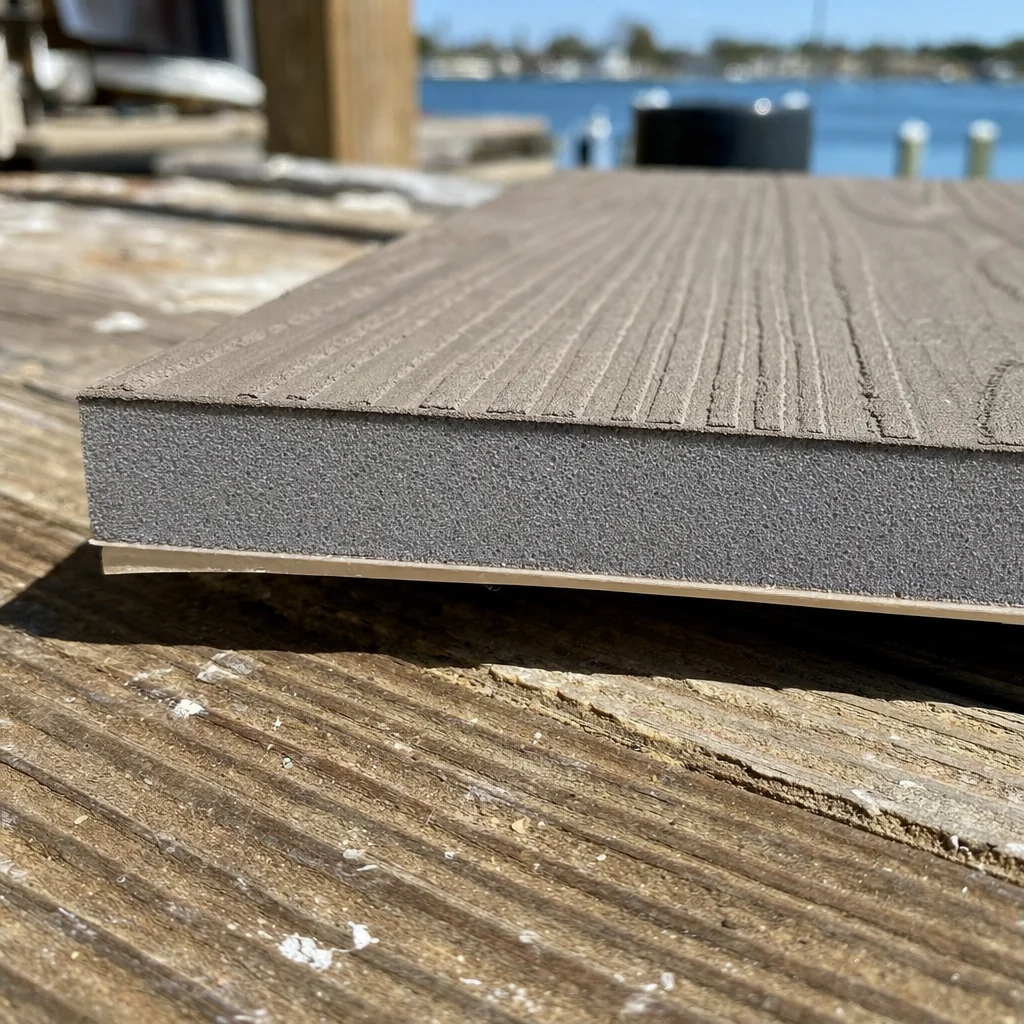
Foam vs Vinyl vs Carpet Boat Flooring Compared
When weighing foam vs vinyl vs carpet boat flooring, marine vinyl flooring wins for most boat owners because it resists water, cleans in seconds, and holds up to years of sun and foot traffic without rotting or growing mold. Foam flooring offers cushion and grip for fishing platforms, while carpet feels comfortable underfoot but absorbs moisture and degrades quickly in a marine environment. Understanding what each material does well — and where it fails — helps you choose the right surface before you spend a dollar. Learn more about Marine Vinyl Flooring.
What Each Material Actually Does on the Water
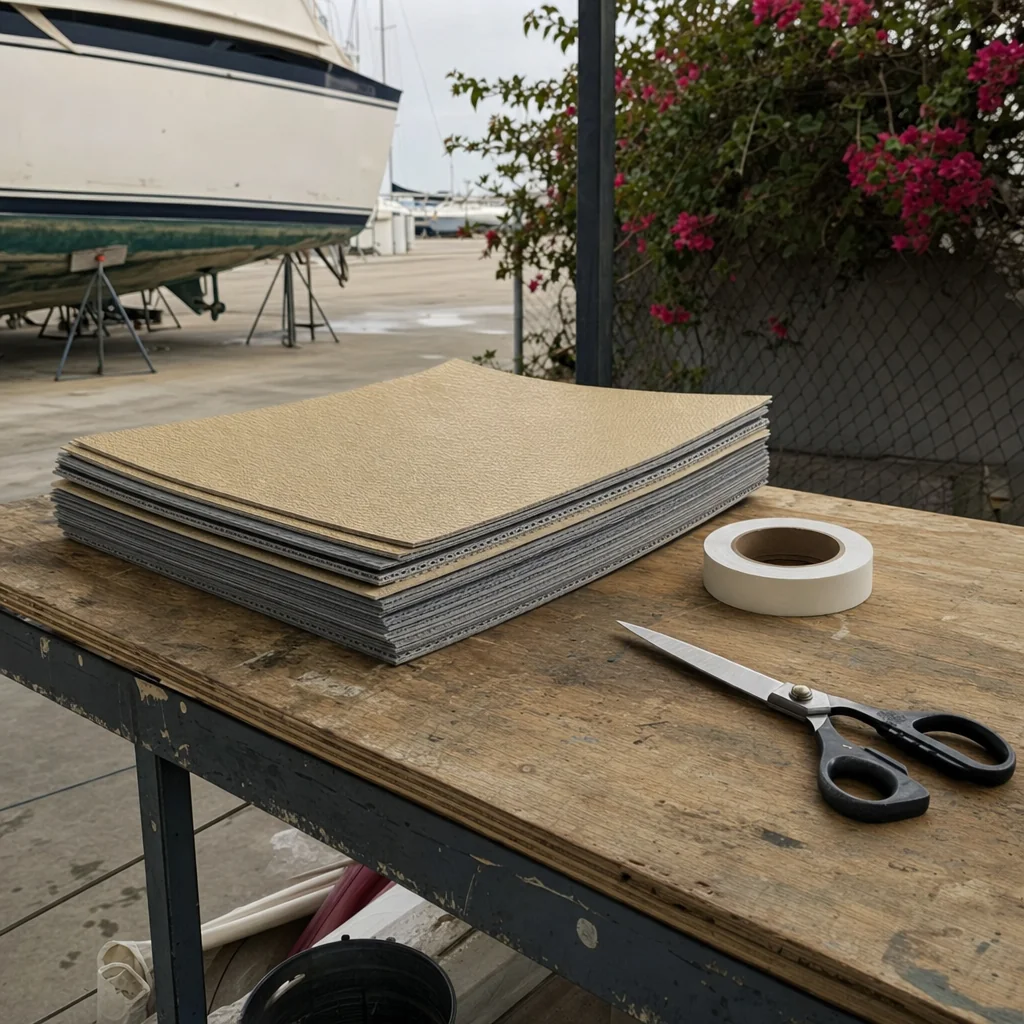
Marine vinyl flooring is a dense, UV-stabilized sheet or plank product bonded to a backing that resists delamination from constant moisture exposure. Foam flooring, often sold as interlocking EVA tiles, is soft underfoot and provides traction when wet but compresses over time and can trap water underneath if not sealed at the edges. Carpet was the default boat floor material for decades and still appears on many bass boats and pontoons, but it soaks up fish blood, bait, and bilge water in ways that are nearly impossible to fully clean. Each material serves a different priority: vinyl for durability and hygiene, foam for comfort and cushion, carpet for initial cost and a familiar feel.
Where Carpet Falls Short in a Marine Environment
Carpet feels soft and looks clean when it is new, but marine environments expose every weakness the material has. Water saturates the fibers and the backing, and without complete drying between uses, mildew takes hold within days. Odors from fish, bait, and standing water become embedded in the pile and resist even aggressive cleaning. Over a single season of regular use, most boat carpet looks years older than the rest of the vessel.
Beyond hygiene, wet carpet is a slip hazard. The fibers mat down and lose grip, especially around the transom and casting decks where anglers move quickly. Replacement is also more involved than it sounds: adhesive residue, rotted backing, and subfloor damage from trapped moisture often turn a simple re-carpet job into a larger repair. Many boat owners who replace carpet once choose marine vinyl flooring the second time around and do not look back.
- Absorbs and holds moisture, promoting mold and mildew growth
- Traps fish blood, bait residue, and odors that cleaning cannot fully remove
- Loses traction when wet, increasing slip risk on deck
- Degrades adhesive bond over time, leading to bubbling and peeling edges
- Subfloor damage from trapped moisture is common and costly to repair
Key Factors That Determine the Right Boat Flooring
Before choosing between foam and vinyl, weigh these factors against how you actually use your boat.
Moisture Resistance:
Marine vinyl flooring is non-porous and does not absorb water. Foam repels surface water but can trap moisture at seams. Carpet absorbs water and holds it against the subfloor — one reason many boat owners switch to vinyl or foam when it comes time to replace worn carpet.
Ease of Cleaning:
Vinyl wipes clean with a damp cloth or hose. Foam tiles can be removed and rinsed individually. Carpet requires scrubbing and extended drying time to prevent odor and mildew.
Traction and Safety:
Textured marine vinyl and EVA foam both provide reliable wet-surface grip. Carpet loses traction when saturated and becomes a slip hazard in high-traffic areas.
Durability and Lifespan:
Quality marine vinyl lasts ten or more years with basic maintenance. Foam tiles last several seasons before compression and UV fading become noticeable. Carpet typically needs replacement every two to four years in active use.
Comfort Underfoot:
Foam offers the most cushion and is popular on fishing platforms where anglers stand for hours. Vinyl with a padded backing provides moderate comfort. Standard carpet feels soft initially but compresses quickly.
Installation and Cost:
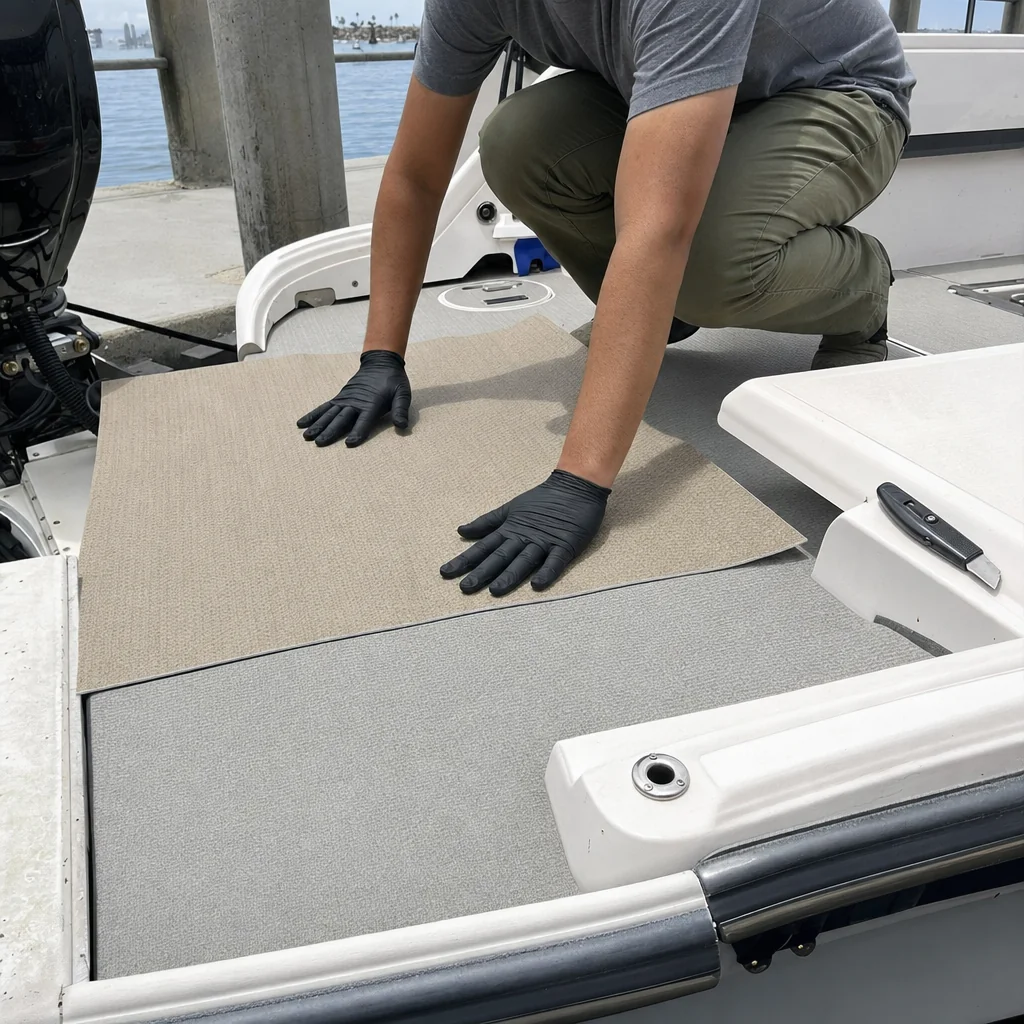
Marine vinyl requires careful measuring, cutting, and adhesive work and delivers a finished, professional result. Foam is a lower upfront investment but compresses over time and needs replacing sooner. Carpet is low in material cost but often higher in long-term replacement expense.
Why Marine Vinyl Flooring Is the Long-Term Value Choice
When you add up replacement cycles, cleaning time, and the risk of subfloor damage from trapped moisture, marine vinyl flooring consistently costs less over the life of a boat than carpet and less in maintenance effort than foam. A properly installed vinyl floor seals the subfloor from water intrusion, resists UV fading, and can be customized in color and texture to match any boat interior. For pontoon boats, deck boats, and center consoles that see regular family or fishing use, vinyl is the material that holds up without demanding constant attention. If you are ready to move past carpet or worn foam, visit our marine vinyl flooring page to explore options and get a professional assessment for your specific boat.
Related Guides
Previous: Yacht Interior Flooring
Frequently Asked Questions
Is foam flooring a good long-term replacement for carpet on a boat?
Foam EVA tiles are a solid short-to-medium-term upgrade over carpet because they resist surface water and clean easily. However, foam compresses under heavy foot traffic over time and UV exposure causes fading and brittleness, so most boat owners treat it as a stepping stone rather than a permanent solution. Marine vinyl flooring offers better longevity for boats used regularly across multiple seasons.
Can I install marine vinyl flooring over my existing boat carpet?
In most cases, professionals recommend removing the old carpet before installing marine vinyl flooring. Carpet left underneath can trap moisture between layers, leading to mold and subfloor rot that voids the benefit of the new surface. If the existing carpet is thin, fully dry, and firmly bonded, some installers will go over it, but a clean subfloor always produces a better and longer-lasting result.
How do I clean marine vinyl boat flooring?
Routine cleaning is straightforward: rinse with fresh water after each use and wipe down with a mild soap solution as needed. For stubborn stains like fish blood or sunscreen, a soft brush and a vinyl-safe cleaner work without damaging the surface. Avoid harsh solvents or abrasive scrubbers, which can dull the finish and break down UV-protective coatings over time.
Does marine vinyl flooring get slippery when wet?
Quality marine vinyl flooring is manufactured with textured surfaces specifically designed to maintain grip when wet. The texture pattern varies by product, with deeper embossing providing more traction for fishing and watersport applications. Always confirm the slip-resistance rating of any product before purchase, especially for areas like the transom or swim platform where wet feet are constant.
What is the typical lifespan of marine vinyl flooring compared to carpet?
Marine vinyl flooring installed correctly and maintained with basic cleaning typically lasts ten to fifteen years before showing significant wear. Boat carpet under regular use usually needs replacement every two to four years, and each replacement carries the risk of uncovering subfloor damage from moisture. The longer replacement cycle makes vinyl the more economical choice over the life of most boats.
Is marine vinyl flooring worth the higher upfront cost?
For most boat owners, yes. The higher initial cost of marine vinyl flooring is offset by fewer replacements, lower cleaning effort, and the protection it provides to the subfloor beneath it. Boats with well-maintained vinyl floors also tend to hold resale value better than those with worn or odor-damaged carpet, making the investment worthwhile from both a use and resale perspective.