
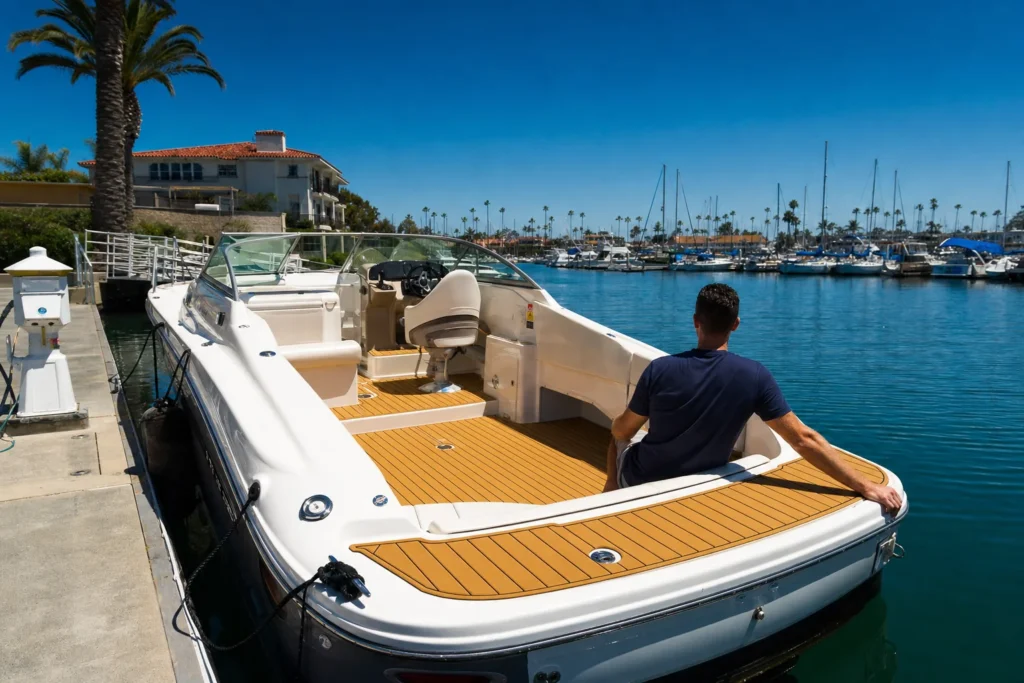
Yacht Interior Flooring: What You Need to Know
Yacht interior flooring needs to handle moisture, foot traffic, UV exposure, and the constant flex of a hull at sea — and marine vinyl flooring meets all of those demands better than almost any other material. Whether you are refitting a weekend cruiser or finishing a custom build, choosing the right floor affects comfort, safety, and resale value. This guide walks you through the key decisions so you can move forward with confidence. Learn more about Marine Vinyl Flooring.
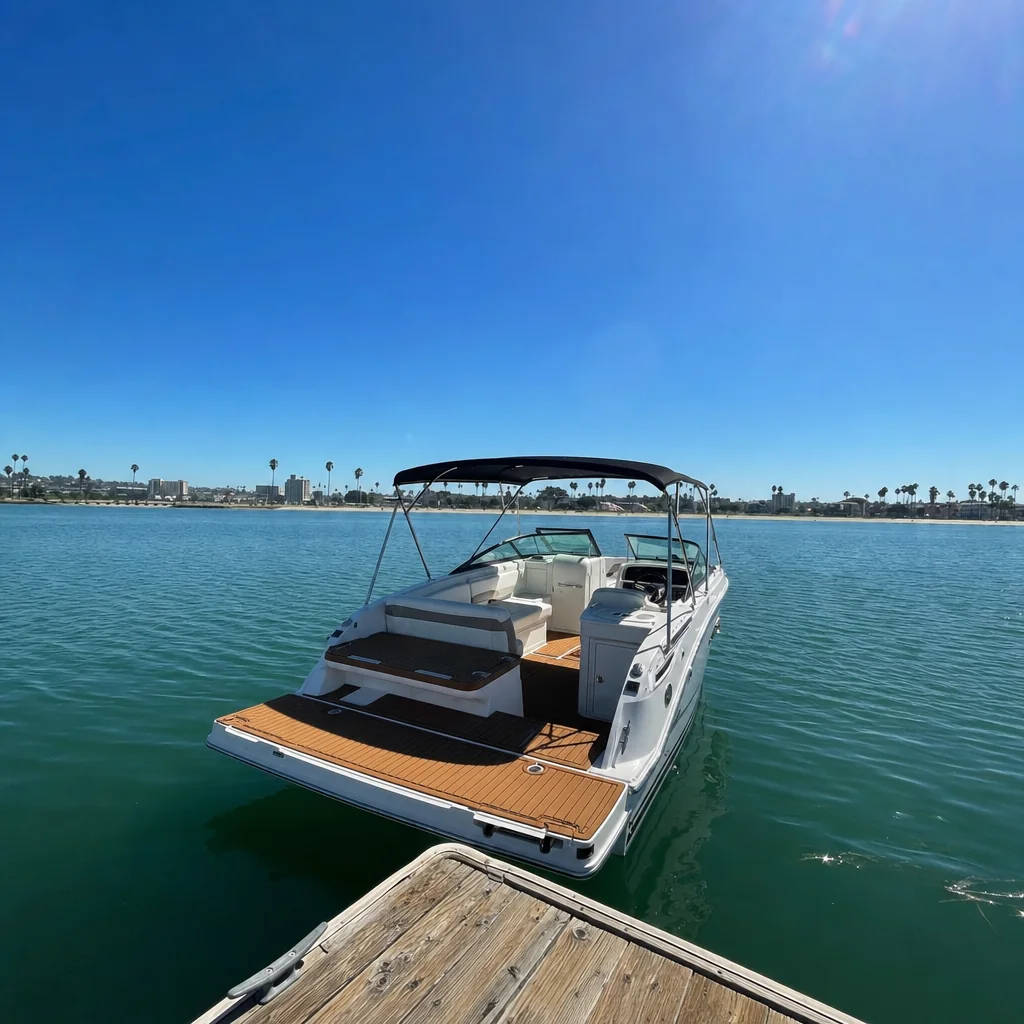
Why Yacht Interior Flooring Is a Different Challenge
A yacht interior takes punishment that no home floor ever faces. Salt air, standing water, bare feet tracking in sand, and the constant micro-movement of a floating hull all work together to degrade materials that would last decades on land. Marine vinyl flooring is engineered specifically for this environment: it resists mold and mildew, stays dimensionally stable when the hull flexes, and cleans up with a quick wipe rather than a deep scrub. Starting with a material built for the marine world saves you from an expensive re-do two seasons later.
Choosing the Right Marine Vinyl for Your Yacht
Not all marine vinyl is the same. Thickness, backing type, texture, and UV stabilizers vary widely between products, and those differences matter on a yacht. Thicker sheet vinyl with a closed-cell foam backing provides cushioning underfoot and adds a layer of insulation against a cold fiberglass sole. A textured or embossed surface improves traction when the deck is wet, which is a genuine safety concern on any vessel. UV-stabilized formulas hold their color far longer than standard vinyl, which is important in a cabin with large windows or a sunroof.
Pattern and color choice also affect the feel of the space. Lighter tones make a small cabin feel more open, while wood-grain patterns give a traditional look without the maintenance burden of real teak. Whatever style you choose, confirm that the adhesive and seam sealer used are rated for marine environments — landlocked products can fail quickly in the presence of constant humidity.
- Minimum 2mm thickness recommended for high-traffic cabin areas
- Closed-cell foam backing for cushioning and moisture resistance
- Textured surface for wet-condition traction
- UV stabilizers to prevent fading and brittleness
- Marine-rated adhesive and seam sealer required throughout
Key Factors That Affect Yacht Flooring Performance
Keep these six factors in mind when comparing marine vinyl flooring options for your yacht interior.
Moisture Resistance:
Marine vinyl is fully waterproof, but the subfloor beneath it must also be sealed or protected. Water that gets under the flooring and sits against bare plywood or fiberglass causes rot and delamination over time.
Hull Flex Tolerance:
A yacht hull moves constantly underway. Rigid flooring materials crack at seams; quality marine vinyl stretches slightly with the hull and returns to shape without lifting or gapping.
Slip Resistance:
Look for a coefficient of friction rating suited to wet conditions. Embossed or pebble-texture surfaces perform better than smooth finishes when bare feet and water are involved.
Weight:
Every pound matters on a performance vessel. Marine vinyl sheet flooring is significantly lighter than tile, stone, or hardwood, which helps preserve trim and fuel efficiency.
Ease of Repair:
Damage happens on a working boat. Sheet vinyl can be patched or replaced in sections without pulling the entire floor, which keeps repair costs and downtime low.
Maintenance Demands:
Marine vinyl needs only mild soap and water for routine cleaning. It does not require sealing, sanding, or oiling the way wood or composite materials do, which matters when you would rather be on the water.

Installation and Long-Term Care on a Yacht
Proper installation is where yacht interior flooring projects succeed or fail. The subfloor must be clean, dry, and flat before any adhesive goes down — even small ridges telegraph through vinyl over time and create weak points where water can pool. Seams should be kept to a minimum and sealed with a marine-grade seam sealer immediately after cutting. Once installed, marine vinyl flooring is low maintenance by design: sweep regularly to remove grit that can act as an abrasive, wipe spills promptly, and avoid harsh solvents that can break down the surface layer. With basic care, a quality installation on a yacht interior can last ten years or more before it needs replacement. When that time comes, visit our marine vinyl flooring page for product options and guidance on your next install.
Related Guides
Previous: Pontoon Boat Flooring | Next: Foam Vs Vinyl Vs Carpet Boat Flooring
Frequently Asked Questions
Is marine vinyl flooring the same as regular vinyl flooring?
No. Marine vinyl is formulated with UV stabilizers, mold inhibitors, and moisture-resistant backings that standard residential vinyl does not have. Using regular vinyl on a yacht will lead to premature fading, mildew growth, and adhesive failure because it was never designed for a humid, high-UV marine environment.
How thick should yacht interior flooring be?
For most cabin areas, a thickness of 2mm to 3mm is a practical minimum. High-traffic zones like the main salon benefit from the upper end of that range or slightly above. Thicker vinyl cushions better underfoot and is more forgiving of minor subfloor imperfections.
Does San Diego Boat Flooring install marine vinyl flooring on a yacht?
Yes. San Diego Boat Flooring handles the full installation — including pattern templating, precise CNC cutting, and fitting curved or irregular surfaces that are easy to get wrong without the right equipment. Attempting complex layouts without professional tools risks wasted material and gaps where water can infiltrate, so we come to your boat and do the work ourselves.
What is the best way to clean marine vinyl flooring on a yacht?
Mild soap and warm water handle most cleaning tasks. Rinse thoroughly so no soap residue remains, as residue attracts dirt and can make the surface slippery. Avoid bleach-based cleaners, acetone, and abrasive scrubbers, all of which degrade the surface layer over repeated use.
How long does marine vinyl flooring last on a yacht?
With proper installation and routine care, quality marine vinyl flooring typically lasts eight to twelve years on a yacht interior. Exposure to intense UV through large windows or hatches, heavy foot traffic, and infrequent cleaning can shorten that lifespan, while a well-maintained, shaded interior can push it longer.
Does marine vinyl flooring add resale value to a yacht?
Fresh, well-installed flooring makes a strong first impression during a survey or showing and signals that the owner maintained the vessel carefully. While flooring alone does not dramatically change a yacht's appraised value, worn or damaged floors can reduce buyer confidence and lead to lower offers or requests for credits.